
Acne Scars

Active Acne
& Acne Scarring

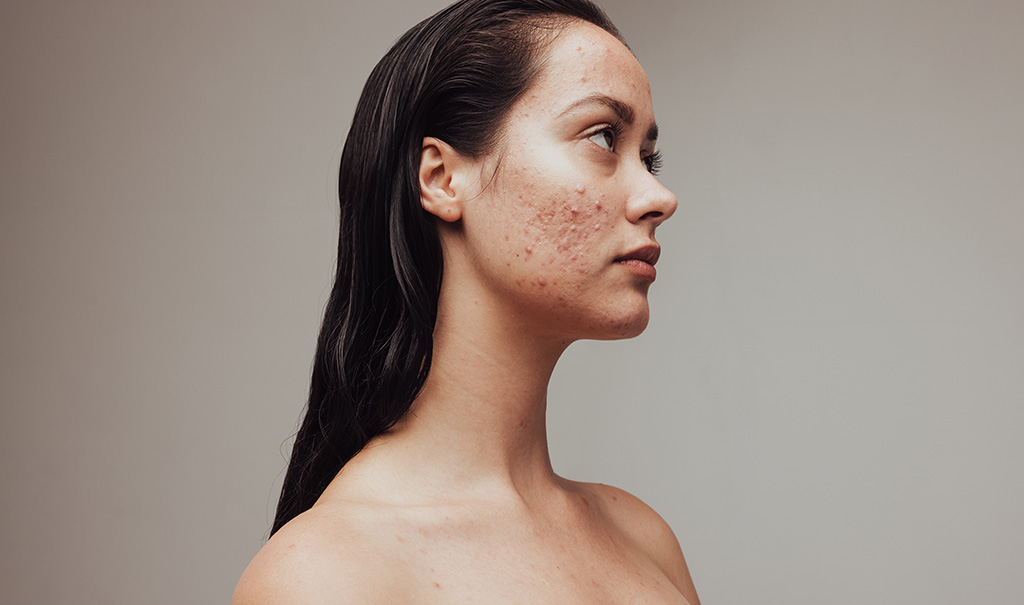
Active acne occurs when the skin experiences congestion, inflammation, and sometimes painful cysts. While acne can range in severity, inflammation is almost always the underlying cause—and it’s also what leads to long-term side effects like scarring. Active acne can be effectively managed with a combination of at-home skincare, targeted laser treatments, aminolevulinic acid therapy, and chemical peels.

Acne scarring develops when inflamed breakouts—such as pimples, blackheads, or cysts—penetrate deeply enough to damage the surrounding tissue. As the skin heals, it produces new collagen to repair the area, but this process isn’t always perfectly balanced. The result can be uneven texture, depressions, or visible scars that remain long after the acne has cleared.

Book an Appointment

The two main
types of acne scars:

01

Atrophic Scars

These are the most common type of acne scars and include:

02

Hypertrophic and Keloid Scars

These scars are raised above the surface of the skin due to excess collagen production during the healing process.

Our Acne
Scars Technique

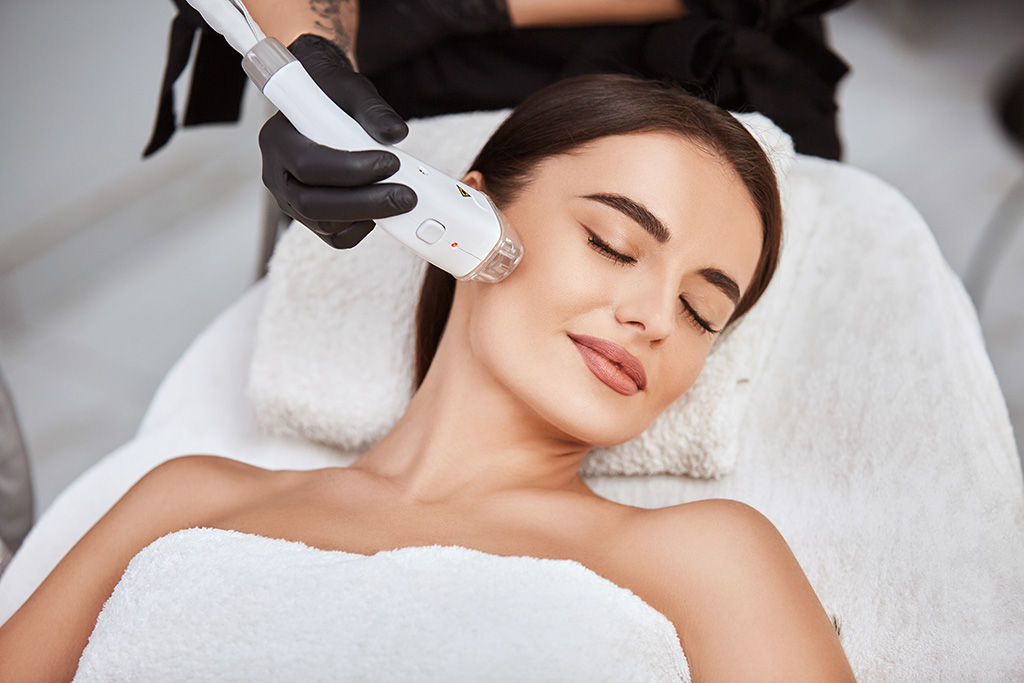
We offer a variety of treatments to reduce the appearance of acne scars. The choice of treatment depends on the type, severity, and location of the scars, as well as the patient’s skin type and overall health. Common treatments include:

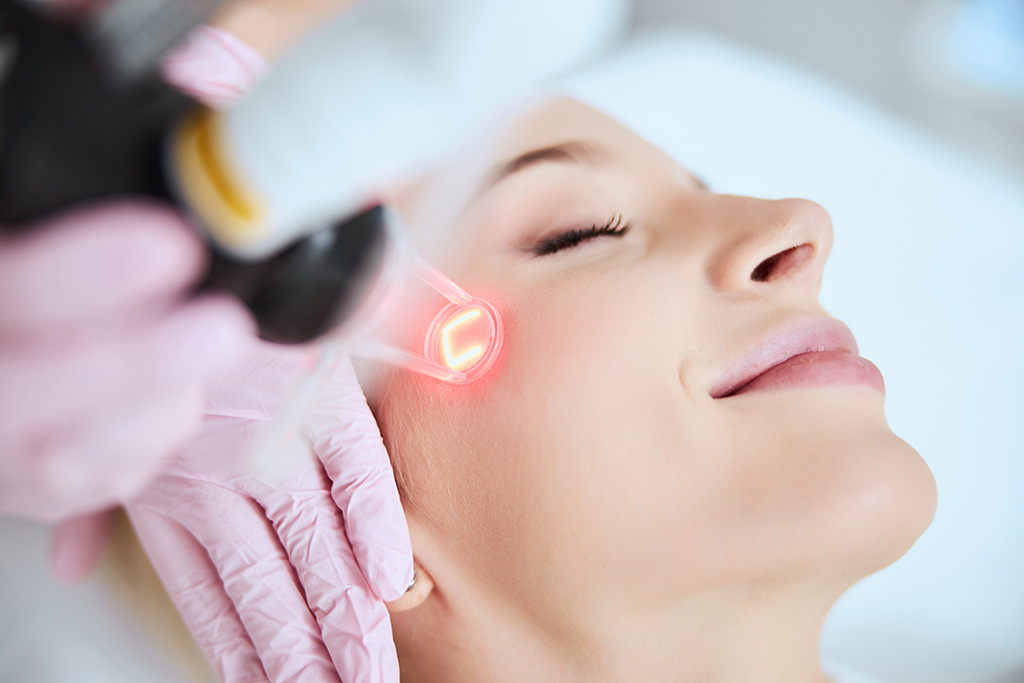
Laser Resurfacing

Light-based technology breaks up pigmentation and boosts collagen renewal.

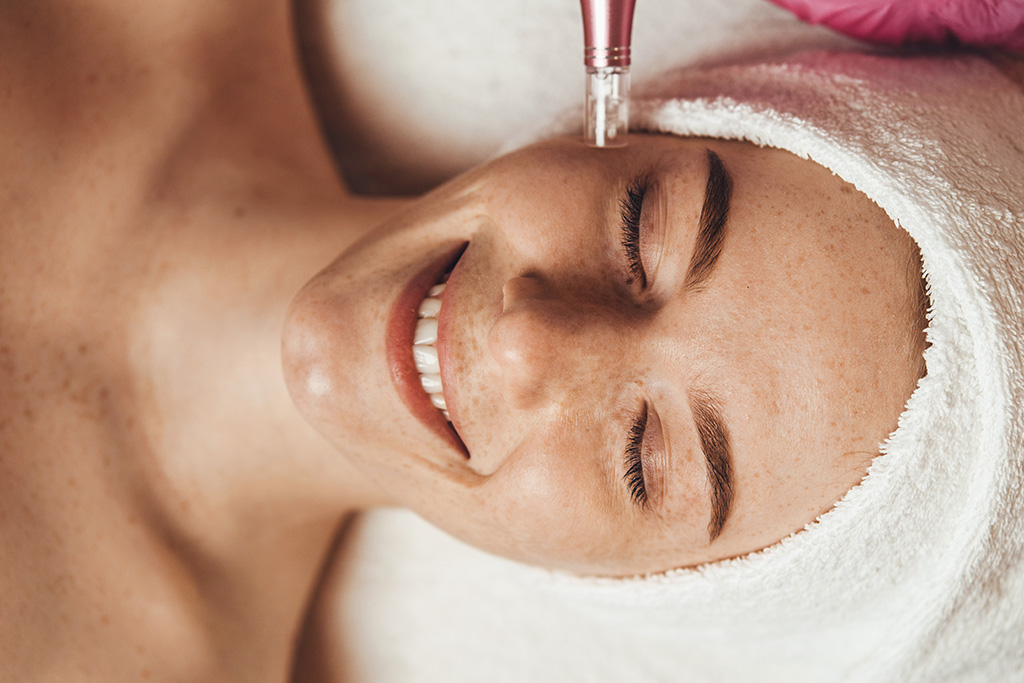
Microneedling

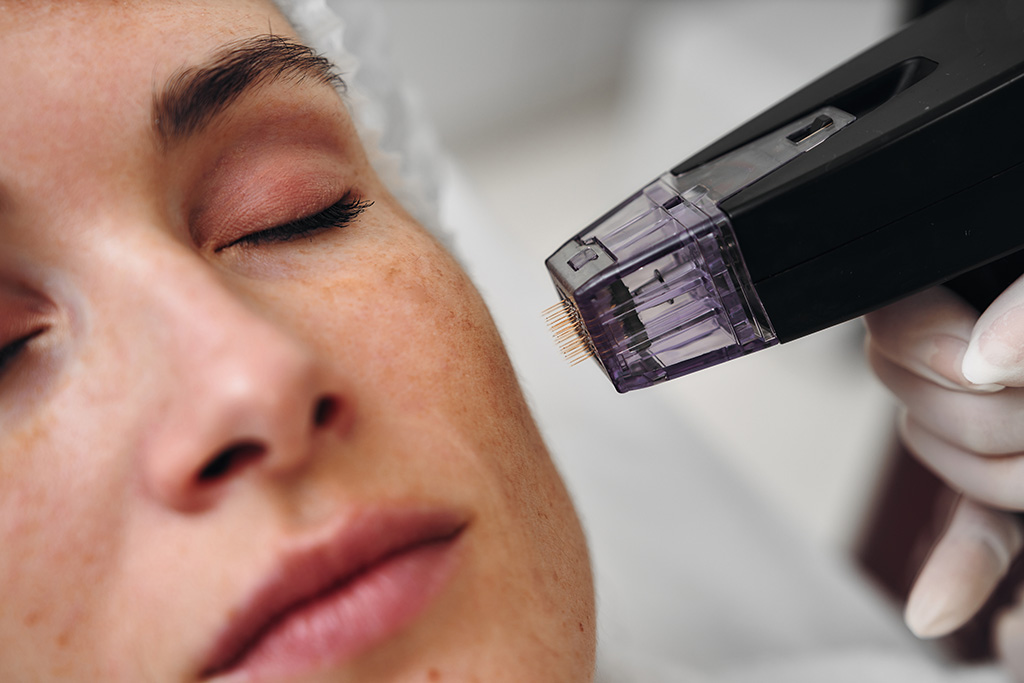
Also known as collagen induction therapy, microneedling involves the use of tiny needles to create controlled micro-injuries in the skin. This process stimulates the body’s natural healing response, promoting collagen and elastin production to improve skin texture and reduce scarring.

Chemical Peels

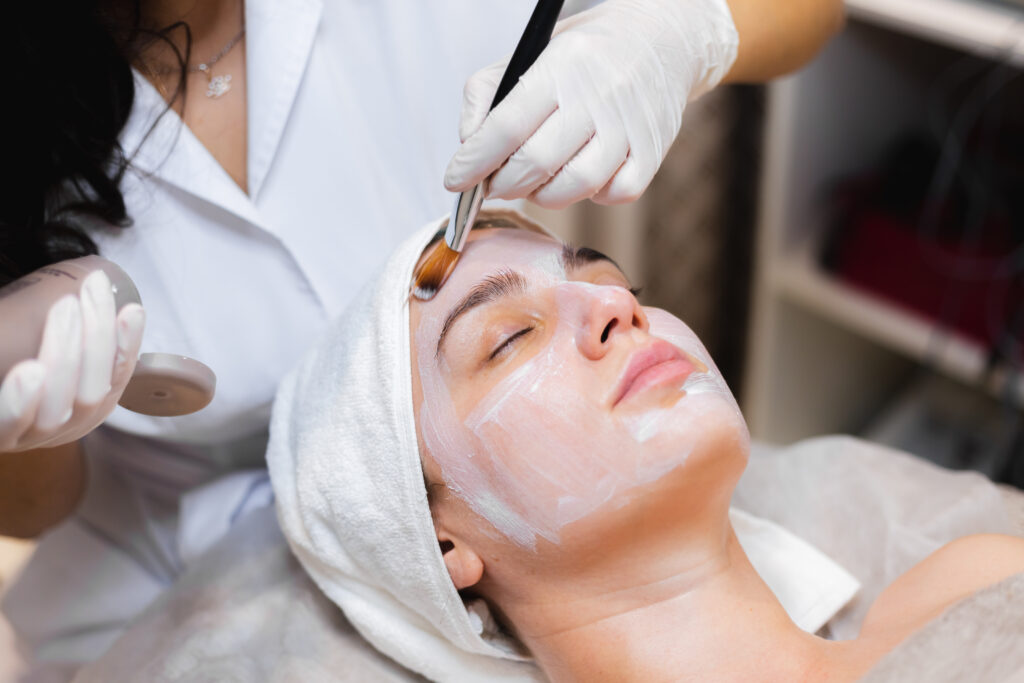
Chemical solutions are applied to the skin to exfoliate the top layers, promoting new skin growth and improving the texture and tone. Medium to deep chemical peels are often used for treating acne scars.

Dermal Fillers

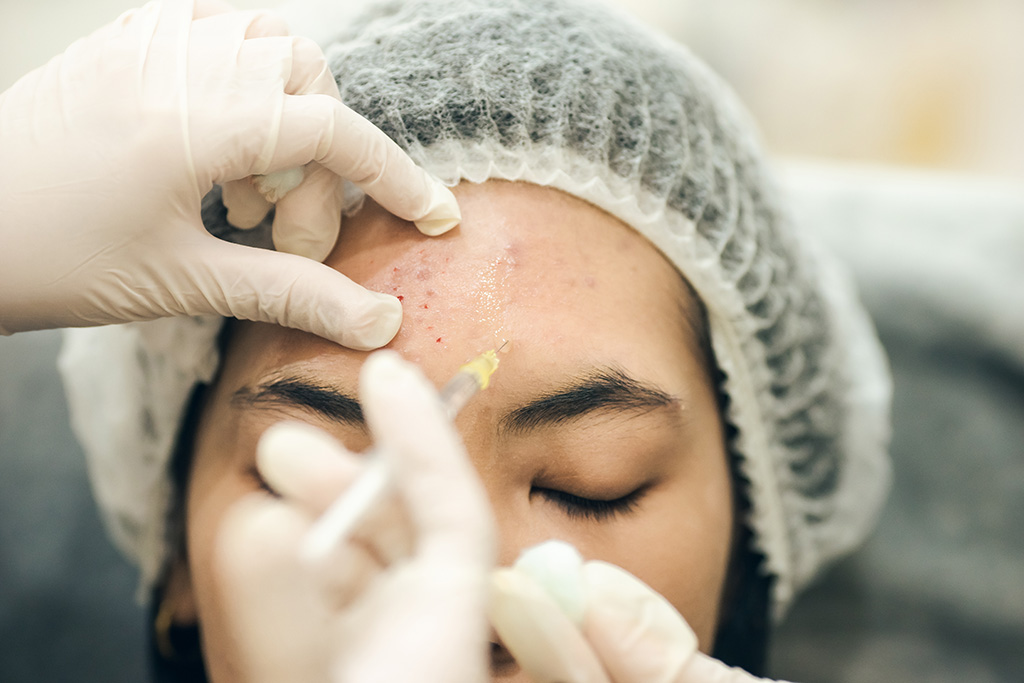
Injectable fillers can be used to raise depressed scars, making them less noticeable. Hyaluronic acid fillers are commonly used for this purpose.

Radiofrequency (RF) Microneedling

This combines microneedling with radiofrequency energy to further stimulate collagen production and tighten the skin, improving the appearance of scars.

Topical Treatments

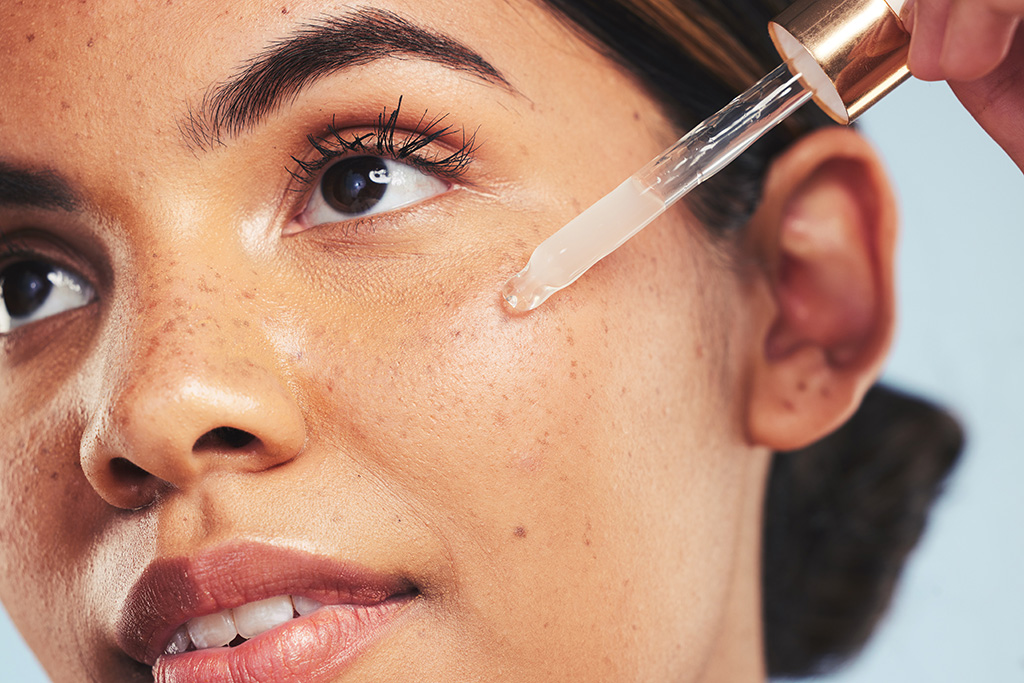
Medical spas may also offer prescription-strength topical treatments, such as retinoids, to help fade scars and improve skin texture over time.

Each treatment option has its own benefits and considerations, and the best approach depends on the individual’s skin type, the type and severity of scars, and the desired outcome. Consulting with a qualified Xage staff member will help determine the most appropriate treatment plan for each client.

After Your
Acne Scars Treatment

After receiving acne scar treatments patients should follow specific post-treatment care instructions to ensure optimal results and minimize the risk of complications. The exact aftercare may vary depending on the type of treatment received, but here are some general guidelines and recommendations:

Laser Resurfacing

Fractional, Ablative

Chemical Peels

Microneedling and RF Microneedling

Dermal Fillers

Topical Treatments

General Post-Treatment Tips

Patients should closely follow their medical spa’s specific post-treatment care instructions and contact their provider if they experience any unusual symptoms, such as excessive redness, swelling, or pain. Proper aftercare is crucial for achieving the best possible results from acne scar treatments and ensuring healthy, radiant skin.

Our Most Popular Services

Learn More
Learn More
Learn More

Take the First Step Toward Even, Radiant Skin

Don’t let discoloration define your complexion. At Xage Medical Spa, we provide evidence-based treatments to restore clarity and confidence. Schedule your personalized consultation today and discover the most advanced microneedling for hyperpigmentation and melasma treatment in Provo, UT.

Book Your Appointment (801) 373-3376